Health and Safety Policy for Silvertown Carpet Cleaners
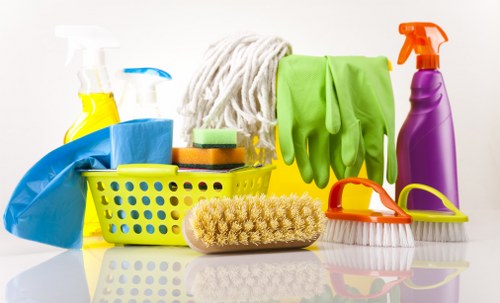 Silvertown Carpet Cleaners is committed to maintaining a safe, healthy, and well-managed working environment for all staff, clients, contractors, and visitors. This carpet cleaning safety policy sets out the standards we follow to reduce risk while delivering professional cleaning services. We recognise that carpet care involves the use of equipment, cleaning agents, water, and movement through occupied spaces, so we take a proactive approach to workplace safety, hygiene, and responsible conduct. Our aim is to prevent accidents, protect health, and ensure every carpet cleaning operation is carried out with care and control.
Our health and safety approach is based on identifying hazards before work begins and applying sensible precautions throughout each job. This includes assessing flooring conditions, access routes, ventilation, electrical equipment, and the presence of vulnerable individuals or fragile furnishings. We expect all team members to act responsibly, follow safe systems of work, and report concerns immediately. By embedding safe working practices into daily routines, we reduce the chance of injury and support a consistent standard of service.
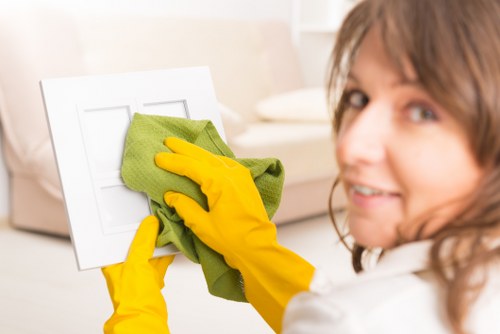 The company also requires staff to use appropriate personal protective equipment where needed, including gloves, non-slip footwear, and any other items suitable for the task. We ensure that cleaning materials are stored correctly, labelled clearly, and used according to manufacturer instructions. Equipment such as extractors, vacuums, and sprayers must be checked before use and maintained regularly. This helps us control the risks associated with professional carpet cleaning and supports reliable, efficient work.
Responsibilities and Safe Working Standards
Everyone working for Silvertown Carpet Cleaners has a duty to contribute to a safe environment. Managers are responsible for planning work properly, providing suitable instruction, and ensuring risks are assessed before tasks begin. Employees must follow agreed procedures, use equipment correctly, and avoid actions that could endanger themselves or others. We believe safety is strongest when it is treated as a shared responsibility across the whole team.
Before starting a job, our operatives review the work area for hazards such as loose rugs, trailing cables, wet surfaces, obstructed walkways, or items that may be damaged by moisture. When necessary, furniture is moved carefully and only by trained personnel. Caution is taken around electrical points, delicate materials, and areas that may become slippery during cleaning. These measures are central to our carpet cleaning health and safety policy and help maintain a controlled working environment.
 We also pay close attention to the safe handling of detergents, stain removers, and protective treatments. Products are selected with regard to their intended use, and we avoid unnecessary exposure by following dilution instructions and using well-ventilated spaces where possible. Staff are trained to recognise warning labels and understand basic first-aid responses if a substance comes into contact with skin or eyes. This careful approach supports both employee wellbeing and the quality of the cleaning result.
Training, Equipment, and Emergency Preparedness
Training is essential to our carpet cleaner safety standards. New team members receive instruction on safe lifting, correct machine operation, chemical awareness, and the prevention of slips, trips, and falls. Refresher training is provided where required so that knowledge remains current and work practices remain consistent. We expect staff to ask questions if they are unsure about any procedure and to stop work if they believe a condition is unsafe.
 Maintaining equipment is another key part of our policy. Machines must be inspected, cleaned, and serviced in line with manufacturer guidance, while damaged leads, worn fittings, or faulty parts must never be used. Wet extraction and other powered methods can present risks if managed poorly, so we apply clear checks before, during, and after use. Reliable maintenance supports safe carpet maintenance and reduces the likelihood of breakdowns or avoidable incidents.
We are also prepared for emergencies. Staff are expected to know how to respond to spills, electrical faults, injuries, and other unexpected events. Where necessary, work is paused until the area is safe again. Any accident, near miss, or dangerous occurrence is recorded and reviewed so that lessons can be learned and future risk reduced. This commitment to continuous improvement helps strengthen our professional carpet care standards over time.
Monitoring, Welfare, and Continuous Improvement
The health and safety of our team depends on regular monitoring and a willingness to improve. Supervisors carry out routine checks to confirm that procedures are being followed and that work conditions remain suitable. Feedback from internal reviews is used to refine our methods, update controls, and make sure responsibilities are understood. Where patterns of risk are identified, we introduce additional measures to prevent repetition.
We also recognise the importance of welfare during physically demanding work. Carpet cleaning may involve repetitive movements, kneeling, lifting, and standing for extended periods, so we encourage sensible pacing, proper manual handling, and short breaks where practical. Staff are expected to remain fit for work and to report any condition that could affect safe performance. Supporting wellbeing is an important part of our carpet cleaning company safety policy and contributes to long-term reliability.
 Ultimately, Silvertown Carpet Cleaners is committed to delivering a service that is not only effective but also responsible and secure. Our health and safety policy for carpet cleaning is reviewed regularly to keep it relevant, practical, and aligned with the risks involved in everyday operations. By combining training, supervision, equipment care, and safe decision-making, we aim to protect people, property, and working standards in every task we undertake.